Government and Corporate Asset Management Software

No assets are lost, no information is late. Didgah Asset Management Software enables fast and seamless information flow between all units, automatically calculates depreciation, and alerts you to discrepancies in real time. All in a simple, integrated, and compliant platform that brings speed and accuracy to asset management.


Share
Enterprise Asset Management Features
  • Comprehensive Asset Registration and Identification

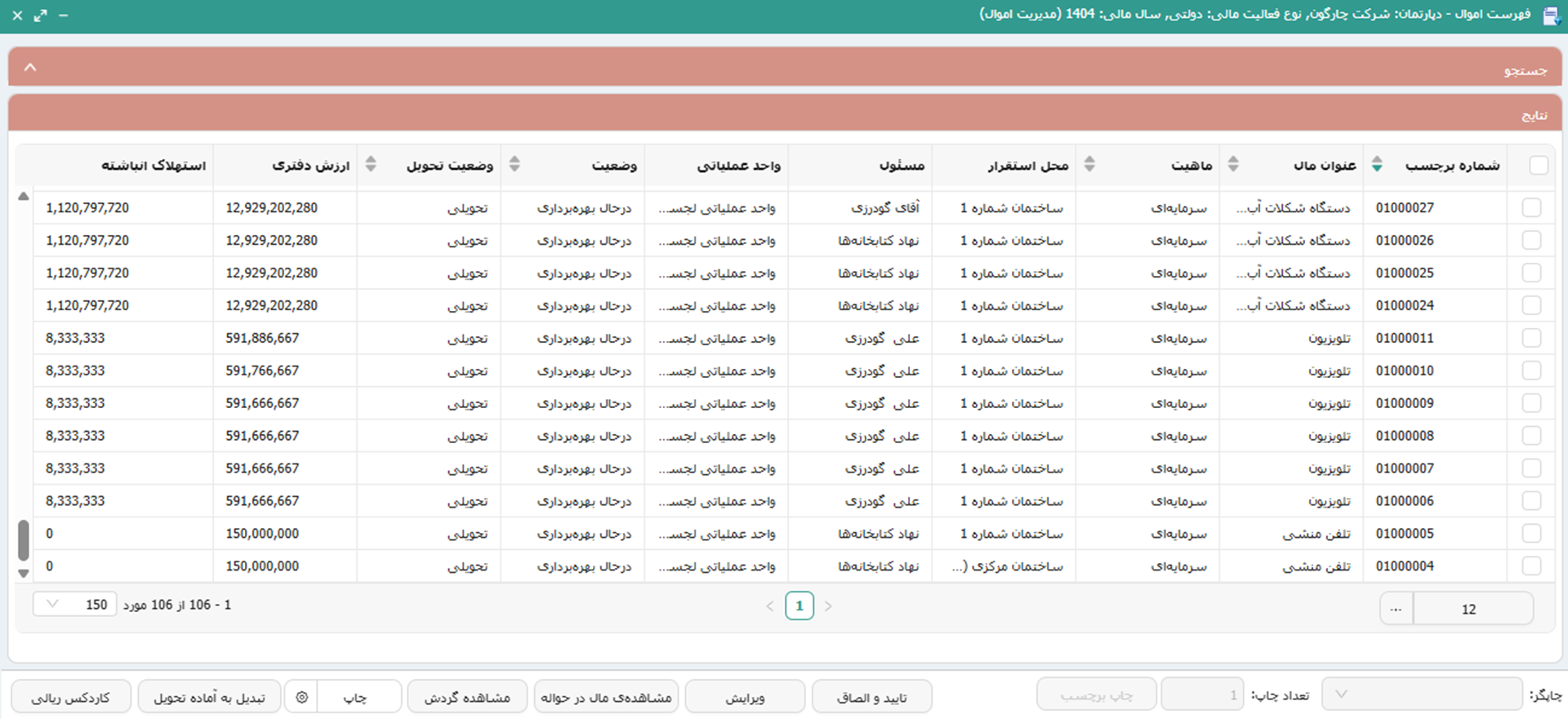
    Effective asset management begins with accurate registration. Didgah asset management software enables integrated registration of movable and immovable assets; from office equipment and machinery to buildings and land.

    Assets can be categorized by asset type, depreciation rule group, organizational structure, location, and other indicators to enable targeted access to information and management.

  • Asset Operations and Circulation

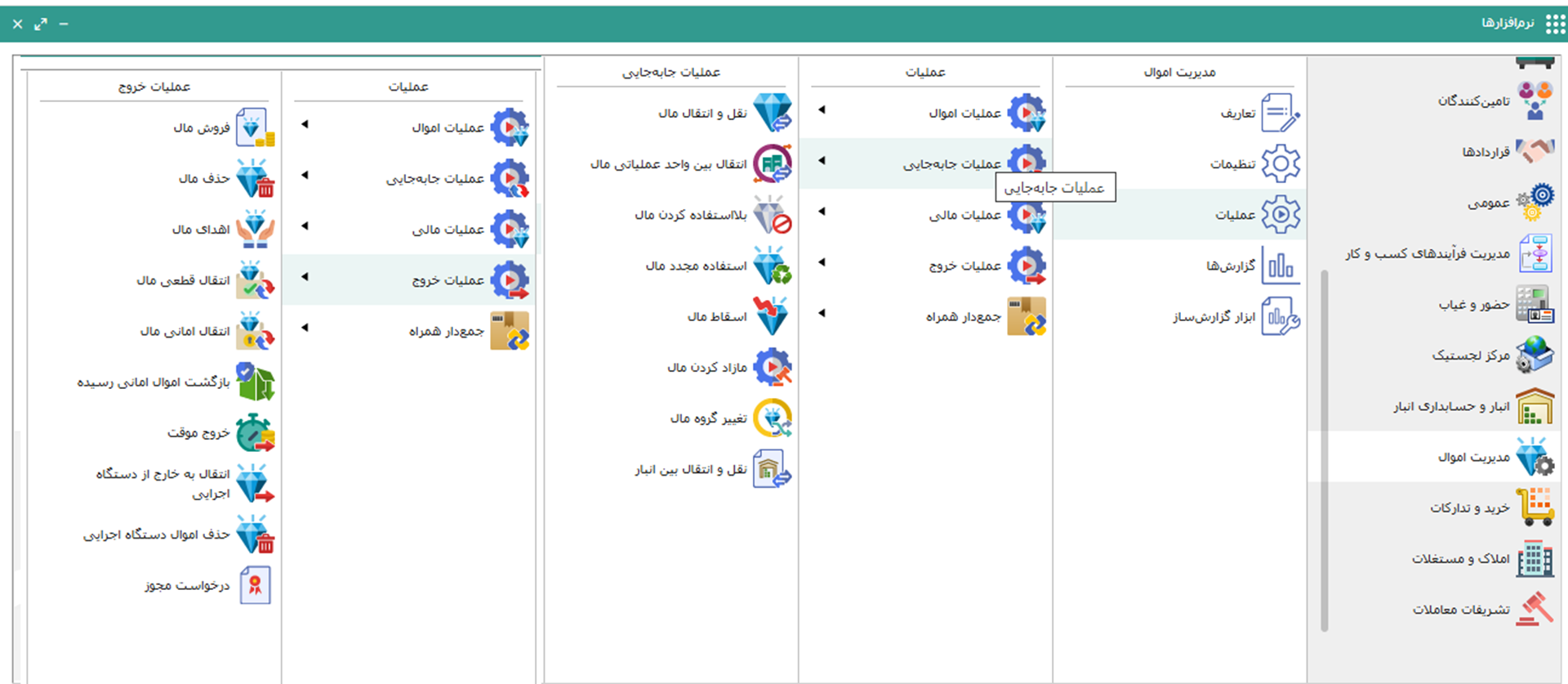
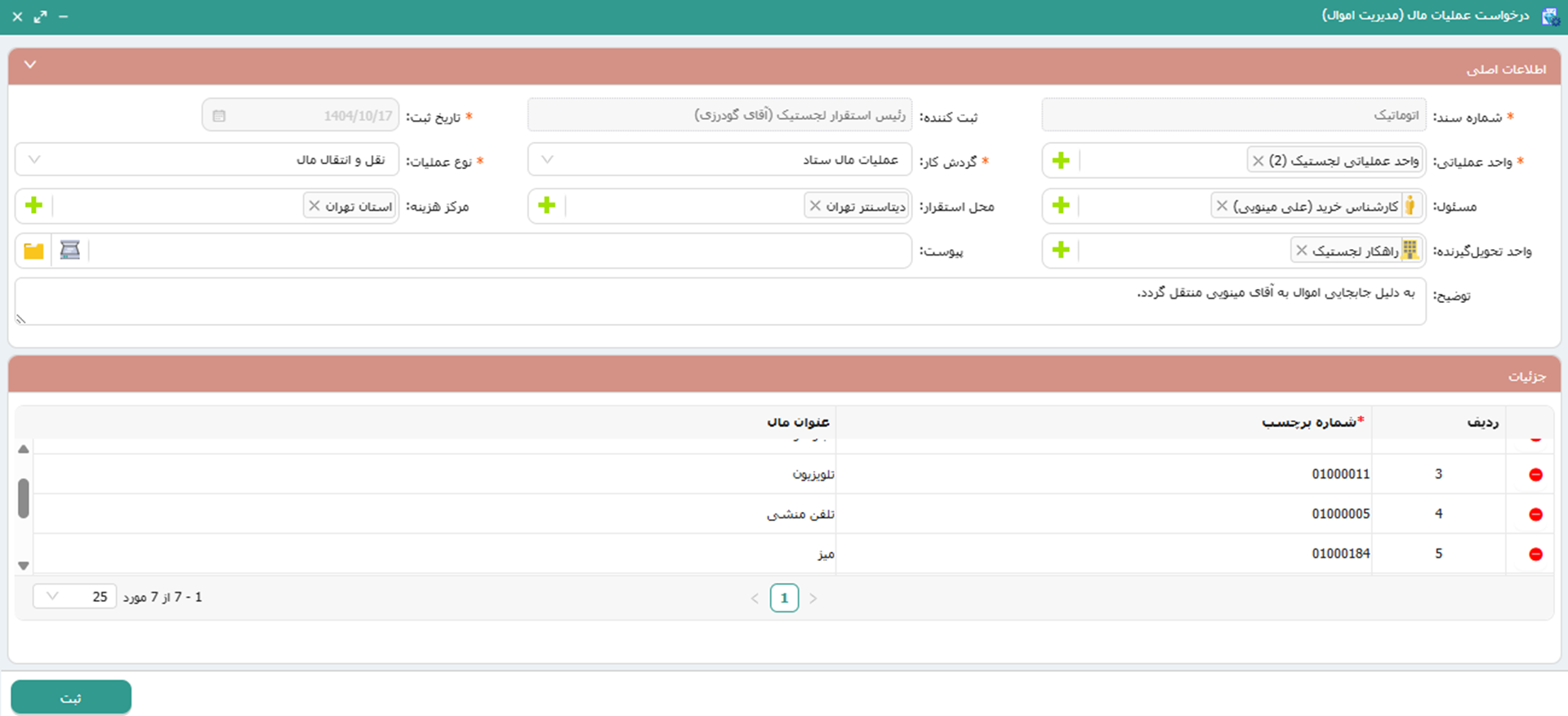
    Didgah Asset Management Software covers all operations related to assets throughout their life cycle. The movement of assets, whether within an organizational unit or between units, warehouses or different officials, is fully recorded and traceable. All details of each transfer, including time, origin, destination and relevant official, are stored in the system, providing complete transparency in tracking the path of assets.

    At the end-of-life stages of an asset, operations such as scrapping, surplus, unused, sale or donation are also accurately recorded. It is also possible to transfer assets to other organizations and receive trust assets from other organizations so that changes in ownership or asset usage status are fully documented.

  • Management of asset operations processes and workflow

    All asset operations can be performed by registering a request and based on the organization's defined procedures. It is possible to define multi-stage approvals appropriate to the structure of each organizational unit so that operations can be performed with greater accuracy, security, and control.

  • Asset Depreciation Calculation and Integration

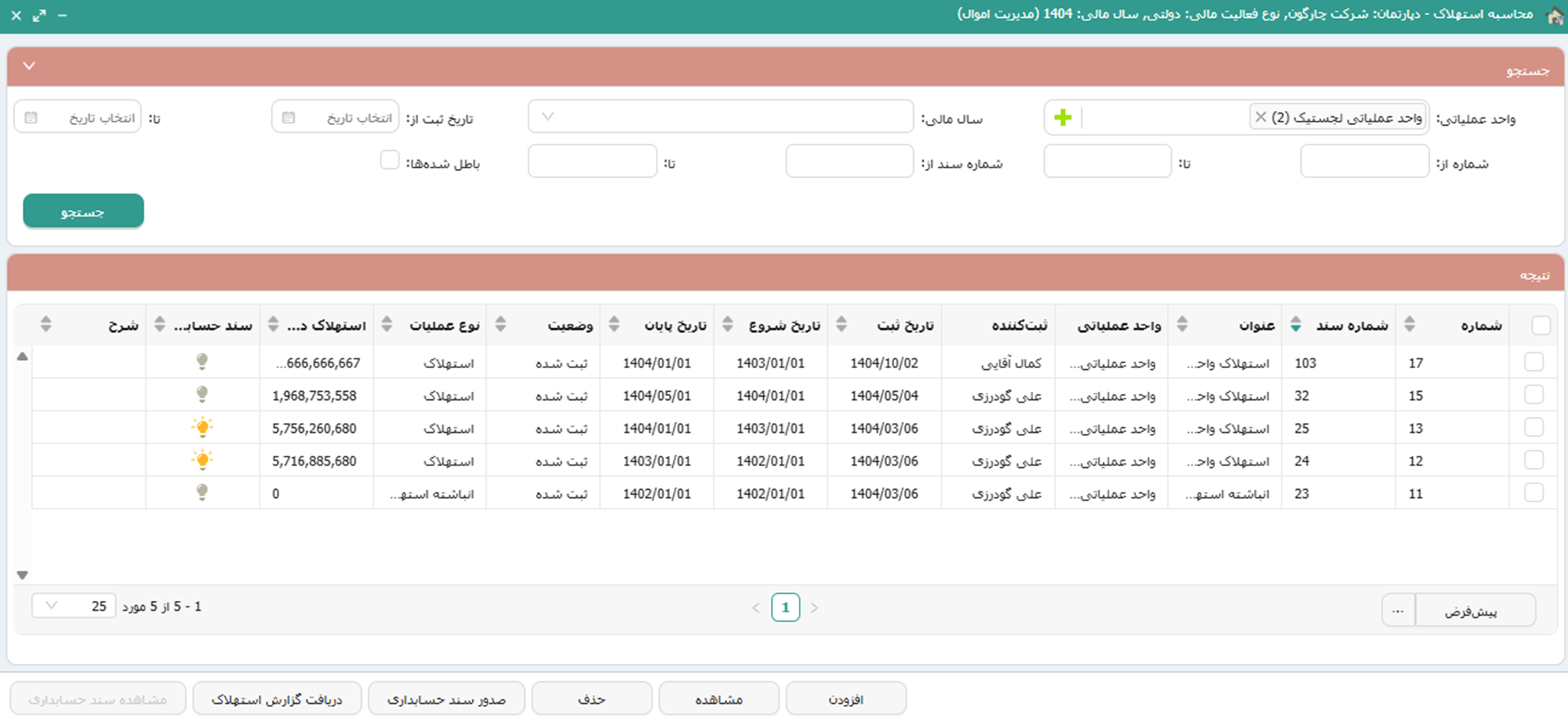
    Didgah asset management software enables automatic asset depreciation calculation based on the straight-line and declining-balance methods. These calculations can be performed according to the needs of each organizational unit and in desired time periods.

    Depreciation and other changes in asset value are sent seamlessly to the accounting software so that financial documents related to assets are recorded without errors or rework, and full coordination is maintained between the property and financial systems.

  • Asset Insurance and Certificate Management

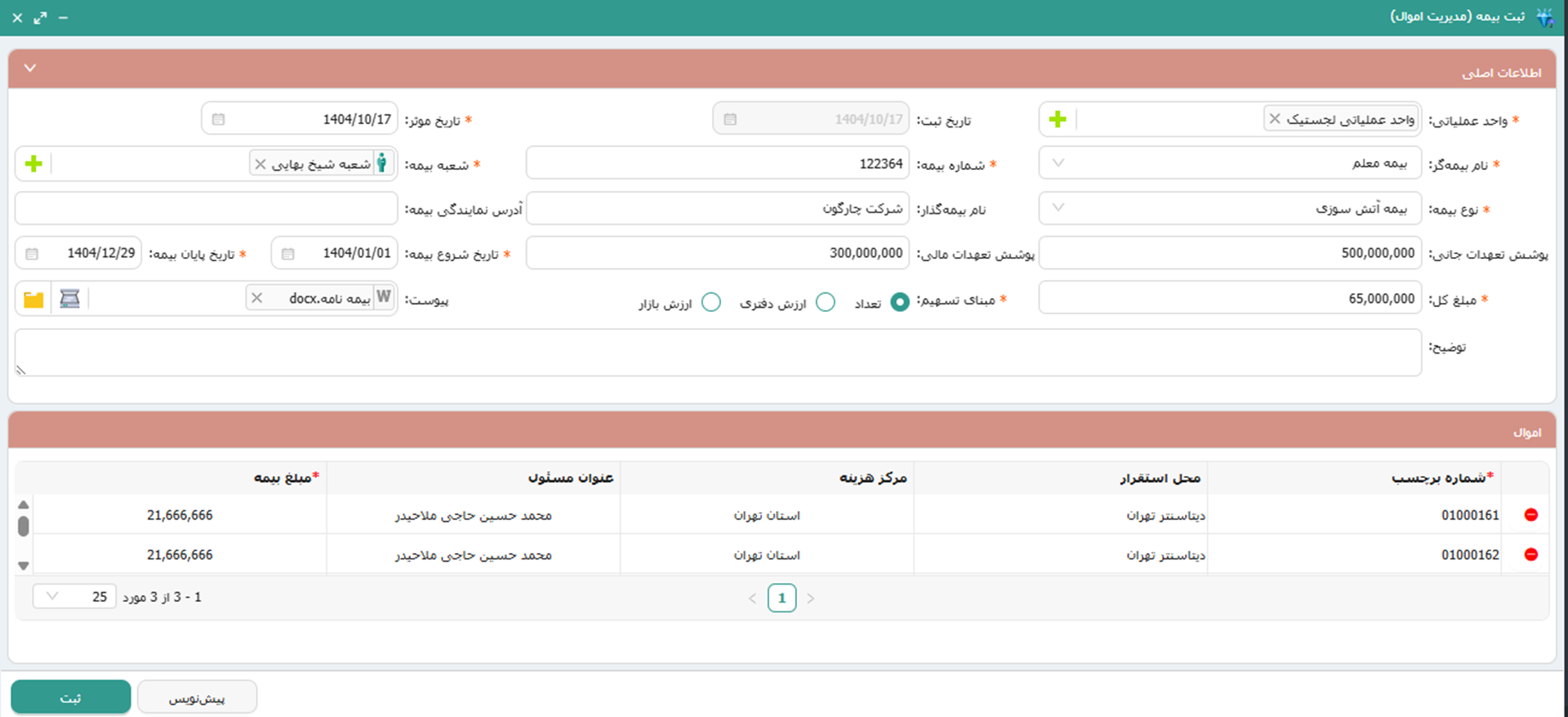
    Information related to asset insurance and related certificates is recorded and maintained in the system; from the insurance policy number and insurer to the start and end dates of validity. This feature helps the organization control the insurance coverage of assets, prevent insurance from expiring, and reduce financial risks related to assets.

  • Asset Control When Personnel Leaves

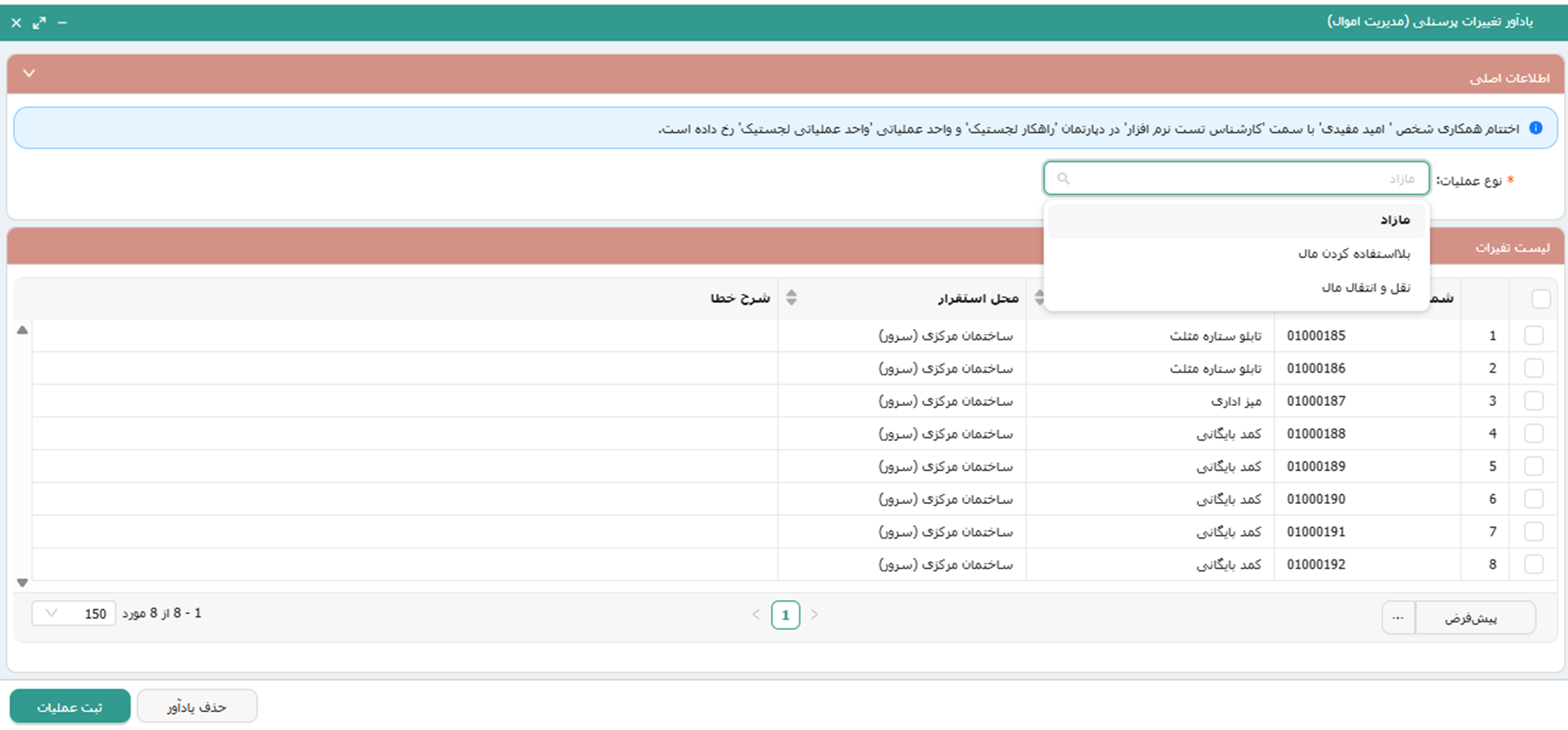
    By connecting to the personnel software, if any employee leaves the organization, the asset manager is immediately informed of the assets in his possession and can take action to determine the disposition of the assets before terminating the cooperation.

Common Organizational Challenges and How Enterprise Asset Management Addresses Them
  • Lack of transparency

    In many organizations, asset information is scattered and incomplete. It is usually not clear exactly where each asset is located, who is responsible for it, and in what condition it is maintained. This ambiguity can lead to delays in response, lack of coordination between units, and even violations or misuse of assets. The lack of a complete and real-time picture of the status of assets makes control and decision-making a time-consuming and risky process.

    Didgah Asset Management Software creates a centralized database by accurately recording the location, complete specifications, current status, and responsible person of each asset. This database is not only updated in real time, but also provides quick reporting and viewing capabilities through management dashboards. Managers can have a clear and up-to-date picture of the overall status of the assets at any time and from any location.

  • Duplicate Entries

    When each organizational unit enters data related to an asset independently and in unrelated forms or software, data conflicts and discrepancies are inevitable. In addition to wasting time reconciling data, this situation increases financial and human costs and can lead to multiple registrations of one asset or omission of another.

    Didgah seamlessly integrates financial, warehouse, and HR systems, allowing for seamless information flow across all departments. Data is entered into the system once and is automatically and seamlessly updated across all relevant modules. This approach reduces human error and streamlines inter-departmental processes.

  • Traditional Inventory

    Many organizations still manage inventory and accounting using paper forms or manual methods. In addition to being time-consuming, this process is prone to human error, and discrepancies are often detected too late. In the meantime, a lack of coordination between actual and recorded data can lead to audit issues, security breaches, or even asset loss.

    Didgah’s “Mobile Inventory” enables asset inventorying using a mobile device. The app connects directly to the asset database, updating and reviewing data in real time. Discrepancies are identified and reported immediately so teams can respond quickly. This reduces inventory time and costs and increases process accuracy.

  • Unit Inconsistency

    When each organizational unit, such as finance, warehouse, or human resources, records information about an asset separately and without coordination, discrepancies in figures and reports are inevitable. This inconsistency makes audits lengthy and costly, decisions are made with incomplete data, and the organization cannot respond quickly in critical situations.

    Didgah keeps all data in sync using a centralized database structure. Any damage to data consistency is immediately detected and corrected. This approach not only greatly simplifies the audit process, but also allows managers to make decisions with fully synchronized and real-time data.

  • Manual Depreciation

    Recording financial documents related to assets and calculating depreciation manually and outside the system is not only time-consuming, but also carries a high risk of error. A small mistake in the calculation formula or manual recording can lead to discrepancies in the financial books, problems in closing the fiscal year, and even legal penalties. In many organizations, this work must be repeated for hundreds or thousands of assets, which multiplies the workload and the possibility of error.

    Didgah Asset Management Software automatically calculates depreciation and records the relevant accounting documents in accordance with Article 149 of the Taxes and Standard Methods Law. This process, in addition to increasing accuracy and speed, ensures that all calculations are compliant with the latest legal requirements. This reduces financial risk and frees up the finance team’s time for analysis and decision-making, rather than repetitive tasks.

BI Dashboard in Didgah Asset Management Software

Didgah Asset Management Software’s Business Intelligence (BI) dashboard collects all data related to an organization’s assets – from their value and quantity to their usage – in the form of charts and analytical indicators on a single page. Managers can see an accurate picture of the organization’s active assets, unused assets, and physical investment at a glance. By providing up-to-date and filterable reports, this dashboard enables decisions to be made about buying, selling, moving or better utilizing assets based on real and transparent data.

Organizational Asset Lifecycle
Mobile Asset Custodian App

Jamadar Mobile is Didgah’s asset management mobile app that transforms the asset inventory process from a time-consuming and error-prone task to a fast, accurate, and fully digital experience. Using this tool, asset information is recorded, inspected, and billed on-site, and all data is synchronized online with Didgah’s main system. With automatic detection of discrepancies and real-time recording of movements, the cashier provides managers with documented and reliable reports so that decisions about the organization's assets can be made based on real and up-to-date information. The result is low-cost, transparent cashiering that is always ready for accounting.

Deployment and Support Services

Chargoon, with a companion approach to software deployment, provides a smooth and uncomplicated experience for customers. From inception to full deployment, the Chargoon team stands by organizations every step of the way to ensure the software is serving their goals and needs.

After deployment, Chargoon support continues with prompt responses and uninterrupted service. This commitment to companionship and reassurance creates an environment where customers can focus on developing and improving their organization with peace of mind.

  • Enterprise Asset Management Integrations with Other Software
  • Warehouse and Inventory Accounting Software

    Non-Consumable Goods Viewing and Delivery

  • BPMS Software

    Design of Asset Maintenance Processes

  • Accounting Software Other Than Didgah

    Issuing and Sending Asset Documents

  • Personnel Software

    Automatic Update of Asset Responsibility When Transfer or Termination

To make a smart choice, consider all aspects

  • How is the price of Didgah property management software calculated?

    The price of this software is determined depending on the size of the organization and the number of specialized users or property trustees.

  • Can I make a report myself with this software or should I ask you for a report?

    With the report builder tool, you can design reports with your desired filters and formats.

  • Can I set access levels with this software?

    Yes, access is set based on the organization's structure and each person's authority.

  • Can I connect Didgah property management software to another accounting software?

    Yes, it is possible to connect to accounting systems outside of Didgah.

  • Property management software is integrated with which Didgah software?

    It is integrated with warehouse and warehouse accounting software, financial and personnel accounting.

  • Are government laws included in this system?

    Yes, it is fully compliant with official laws and regulations.

  • Is the training process of this software long?

    No, with a simple user interface and quick training, it can be learned and used in the shortest time.

  • How is Didgah property management software different from other similar systems?

    Complete integration, simple user interface, and higher efficiency in property management processes are some of the differences between this software and other systems.

  • Is it possible to register property insurance through this software?

    Yes, you can register all types of insurance policies with this software.

  • Can I see my delivered property?

    Yes, you can see your delivered property even without direct access to the software.

  • Is depreciation calculated with Didgah property management software?

    Yes, according to Article 149 of the Tax Law, you can calculate depreciation with this software.

  • Can I receive the reports of the Ministry of Finance?

    Yes, all the reports required by the Ministry of Finance are available and you can see them.

  • Can I put a special label on my unit?

    Yes, it is possible to design and print a special label for each unit in your organization.

  • What happens with the change in the organizational structure of the property?

    Personnel changes are automatically applied to the status of assets.

  • Does Jamadar Mobile work without internet?

    Yes, offline and the data is synchronized at the first connection.

Demo request

  • This field is for validation purposes and should be left unchanged.