Business Process Management Software (BPMS)
When workflows across an organization are fragmented, slow, or prone to error, decision-making and task execution become more difficult and often remain incomplete. Chargoon Didgah BPMS helps organizations manage and automate their processes, whether they involve registering and approving financial requests, handling leave requests, managing contracts and meetings, or tracking documents. With business process management software, every stage of work progresses transparently and remains fully traceable, preventing cases from being lost or requiring rework.
As a result, the organization's core workflows move forward with greater speed, accuracy, and confidence.

Unclear and Ambiguous Processes
When it is unclear what must be done, at which stage, and by whom, confusion increases across teams. Decisions become based on assumptions, resulting in delays, wasted time, and diminished trust.
Every activity is available with precise information about its execution time, responsible person, and current status. This transparency improves control and oversight, strengthens trust between departments, and enables management decisions based on real information.

Costly Rework
Human error and a lack of coordination between departments can cause even a simple task to be repeated several times. Human resources and time are wasted, while the quality of services and products declines.
Structured forms, automated workflows, data validation, and complete recordkeeping minimize errors and improve output quality.

Slow Changes and Dependence on External Tools
When every change to a business process requires complex coordination, the organization loses agility. Many foreign or open-source solutions do not provide the flexibility required for rapid localization and continuous improvement.
You can make changes quickly without relying on an external vendor. Processes are designed and improved entirely around your organization's needs, enabling genuine agility in process management.

Scattered Data and Incomplete Decisions
When information is distributed across separate systems, there is no unified view of the organization's true status. Even a simple report may require repeated manual data entry or comparison, leading to delays, errors, and incomplete decisions.
Standard and extensible APIs integrate data flows. Processes exchange data intelligently with other information systems, without duplicate entry or manual coordination.

Repetitive Work and Wasted Team Energy
Manual follow-ups and unnecessary coordination consume employees' time and energy. This hidden waste reduces productivity, causes burnout, and distracts teams from essential, value-creating activities.
Repetitive and unnecessary activities are eliminated. Processes run faster, hidden costs decrease, and the same human resources produce more output.

By automating repetitive tasks, BPMS improves and accelerates many administrative business processes.
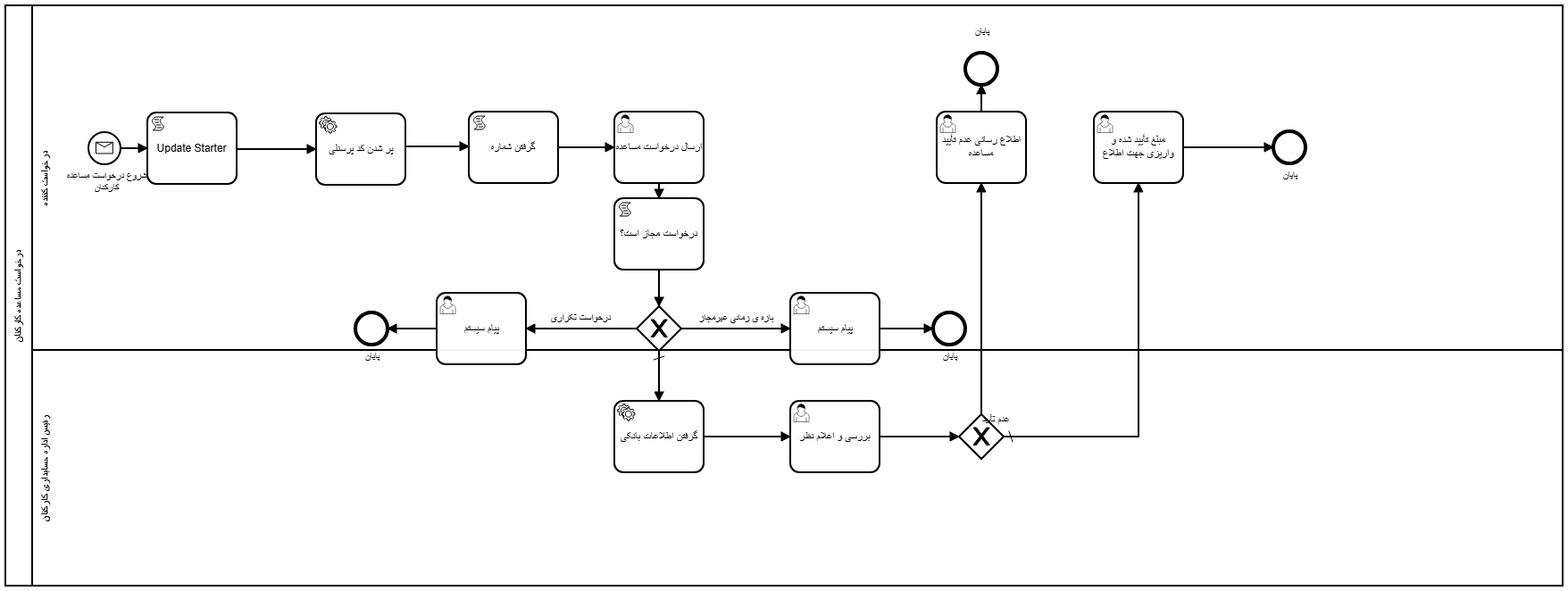
The employee salary advance request process was previously handled manually using paper forms, creating challenges such as delayed review, no real-time tracking, unclear records, and difficulty preparing management reports. To address these issues, the process was redesigned and automated on the Business Process Management System (BPMS). This automation not only increased speed, accuracy, and traceability, but also improved satisfaction among employees and financial managers.

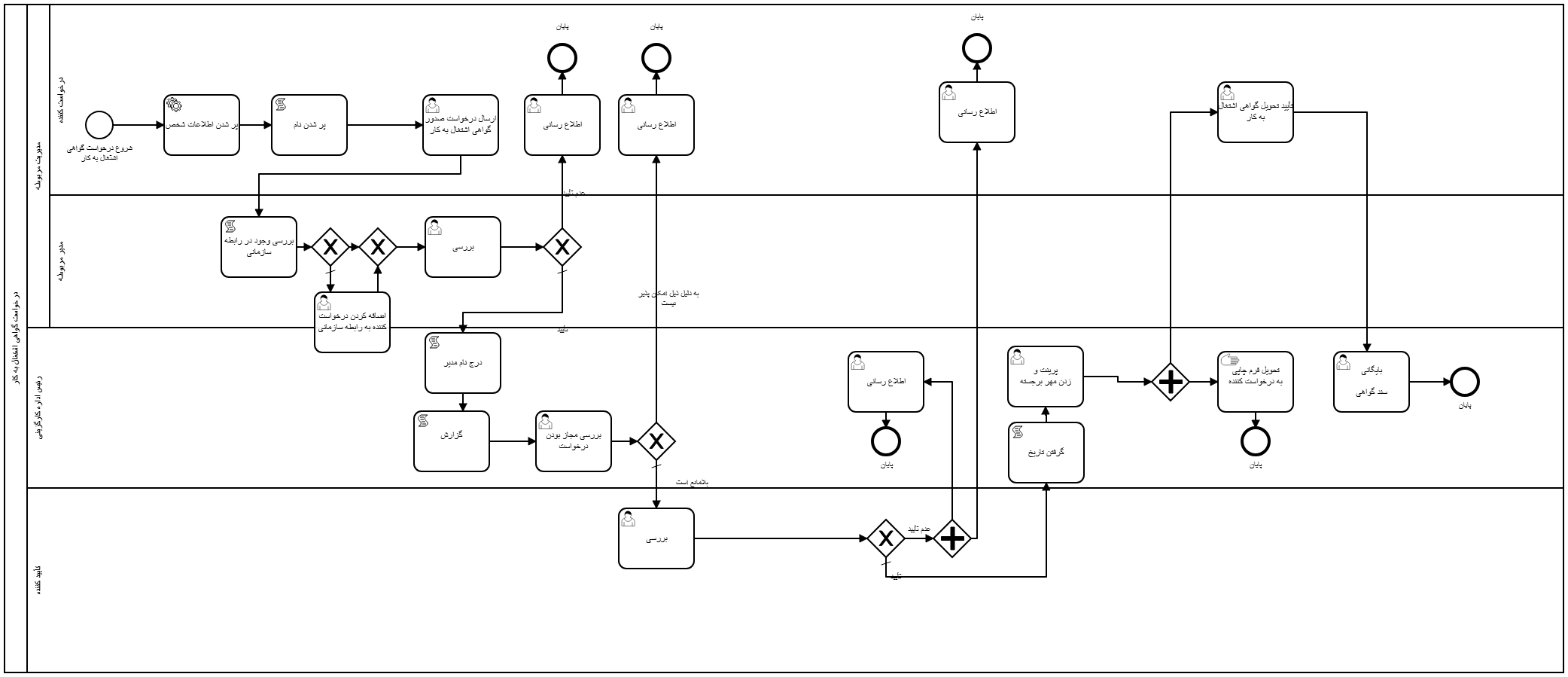
Issuing employment certificates is a common organizational requirement for introducing employees to banks, embassies, and other official institutions. Previously, this process was handled manually and was often affected by slow issuance, data errors, missing request histories, and difficult follow-up. In a successful project, the process was fully automated using BPMS and became a strong example of digital transformation in the company's administrative operations.

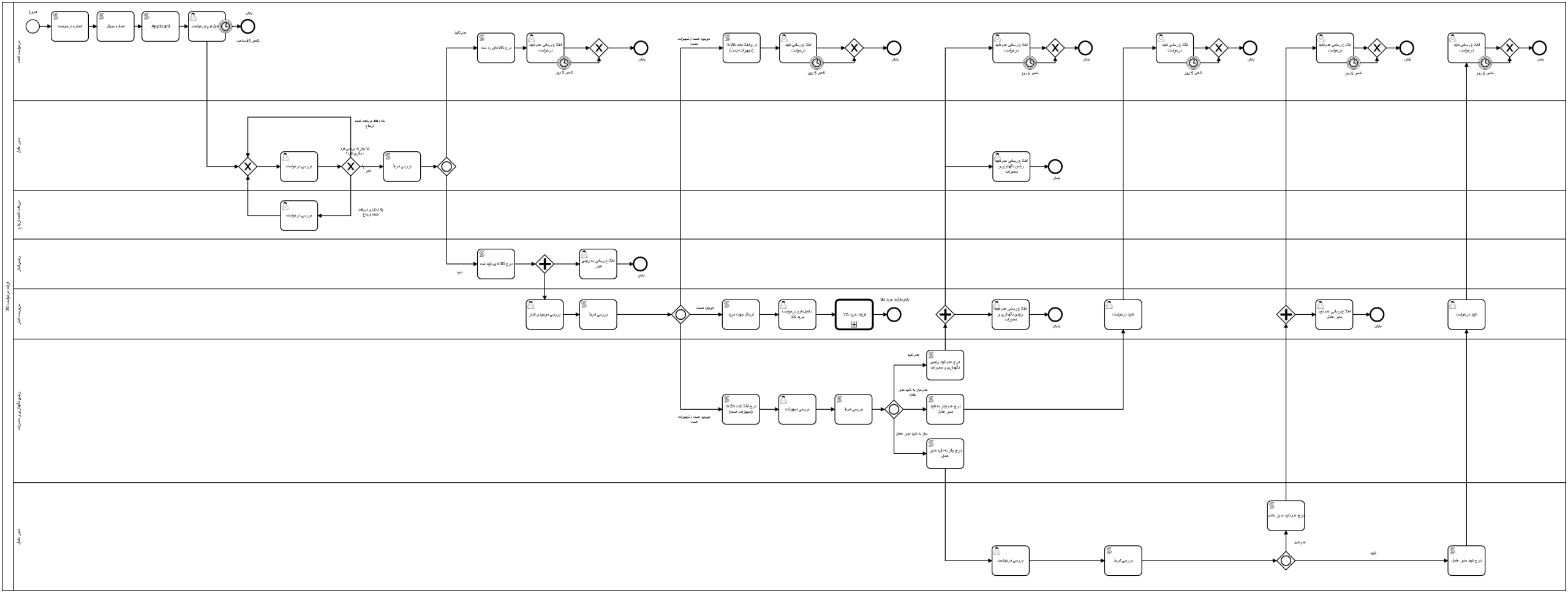
The goods request process is a vital support process in organizations, particularly in manufacturing and industrial environments. It supplies employees or production lines with required goods and items through organizational warehouses. Before automation, requests were often paper-based and opaque, causing procurement delays, incomplete records, inefficient document circulation, and no ability to track request status. Successful deployment on BPMS resolved these issues and made internal goods supply structured and traceable.

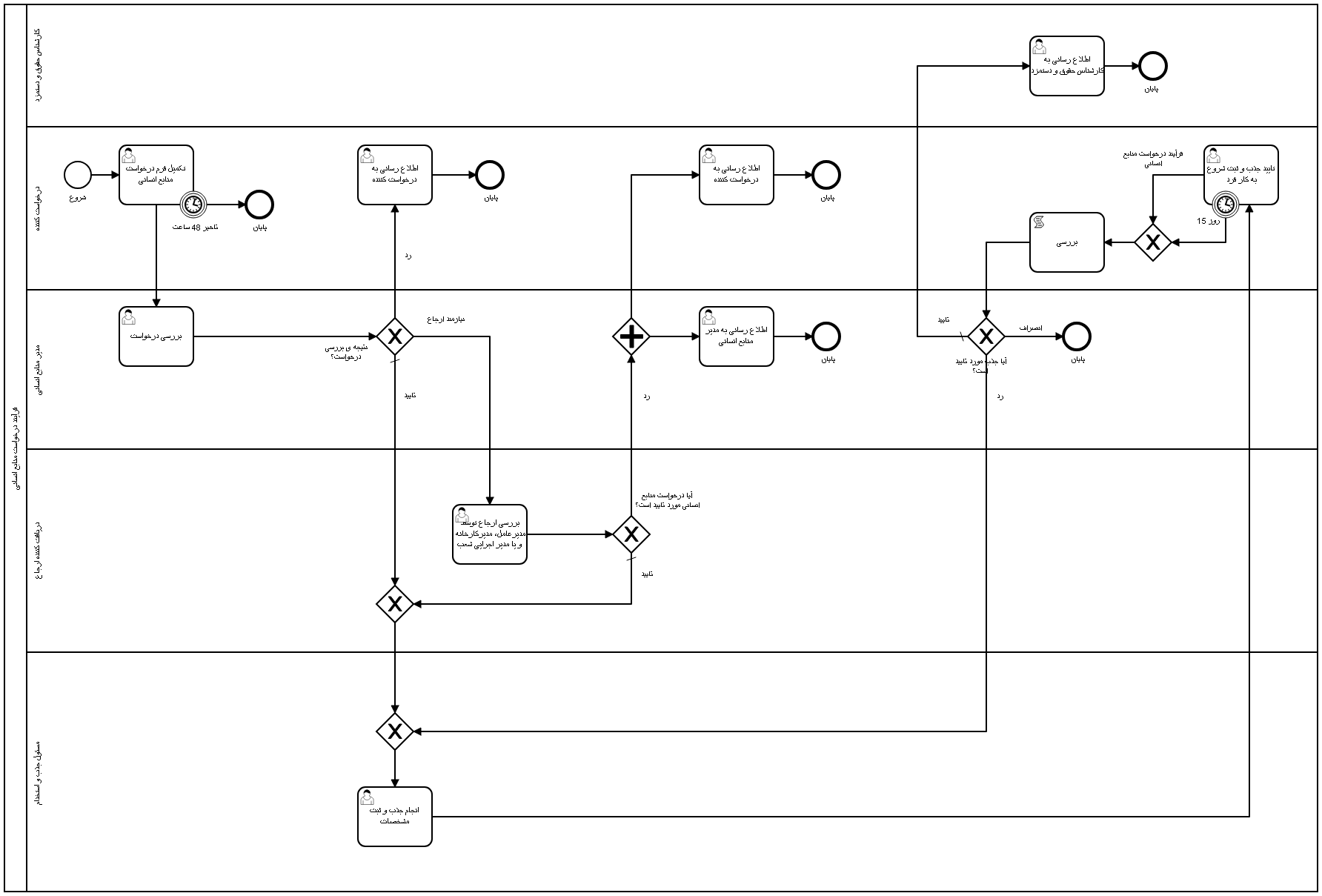
The workforce request process is a strategic organizational process initiated when a new employee is required, either to replace a previous employee or expand a team. Before automation, it was paper-based and fragmented, with no clear approval path, delayed reviews, inconsistent data recording, and difficult status tracking. Successful BPMS implementation created an integrated, accurate, and traceable recruitment request workflow and significantly improved responsiveness to the organization's human resource needs.

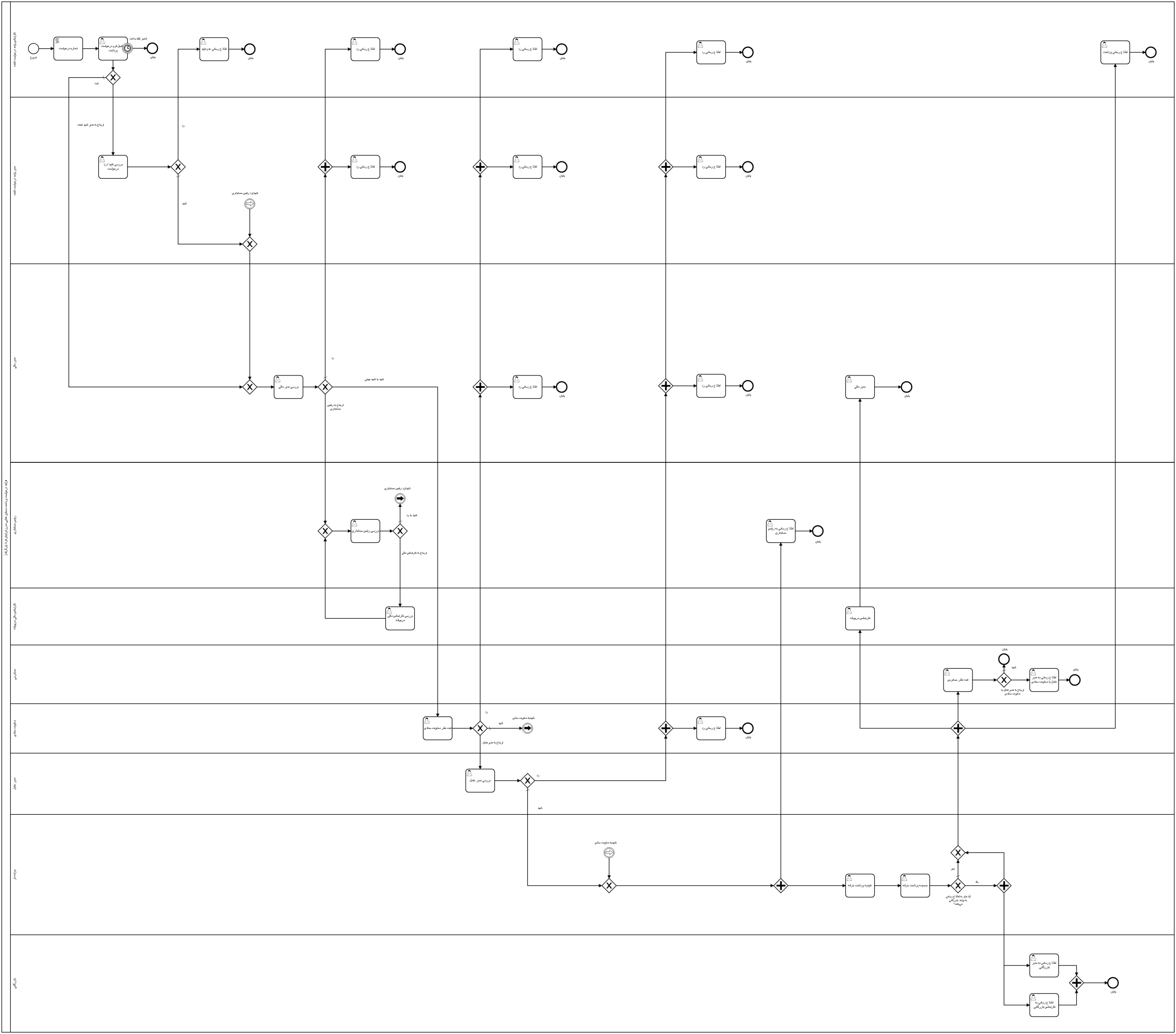
The payment request process is one of the most important and sensitive financial support processes in an organization. It covers payments to suppliers, contractors, service providers, and for current expenses. Before automation, the process was paper-based and involved delayed correspondence, unclear approval stages, potential human error, and incomplete recording and tracking. Successful BPMS implementation resolved these issues and significantly transformed the management and control of organizational payments.

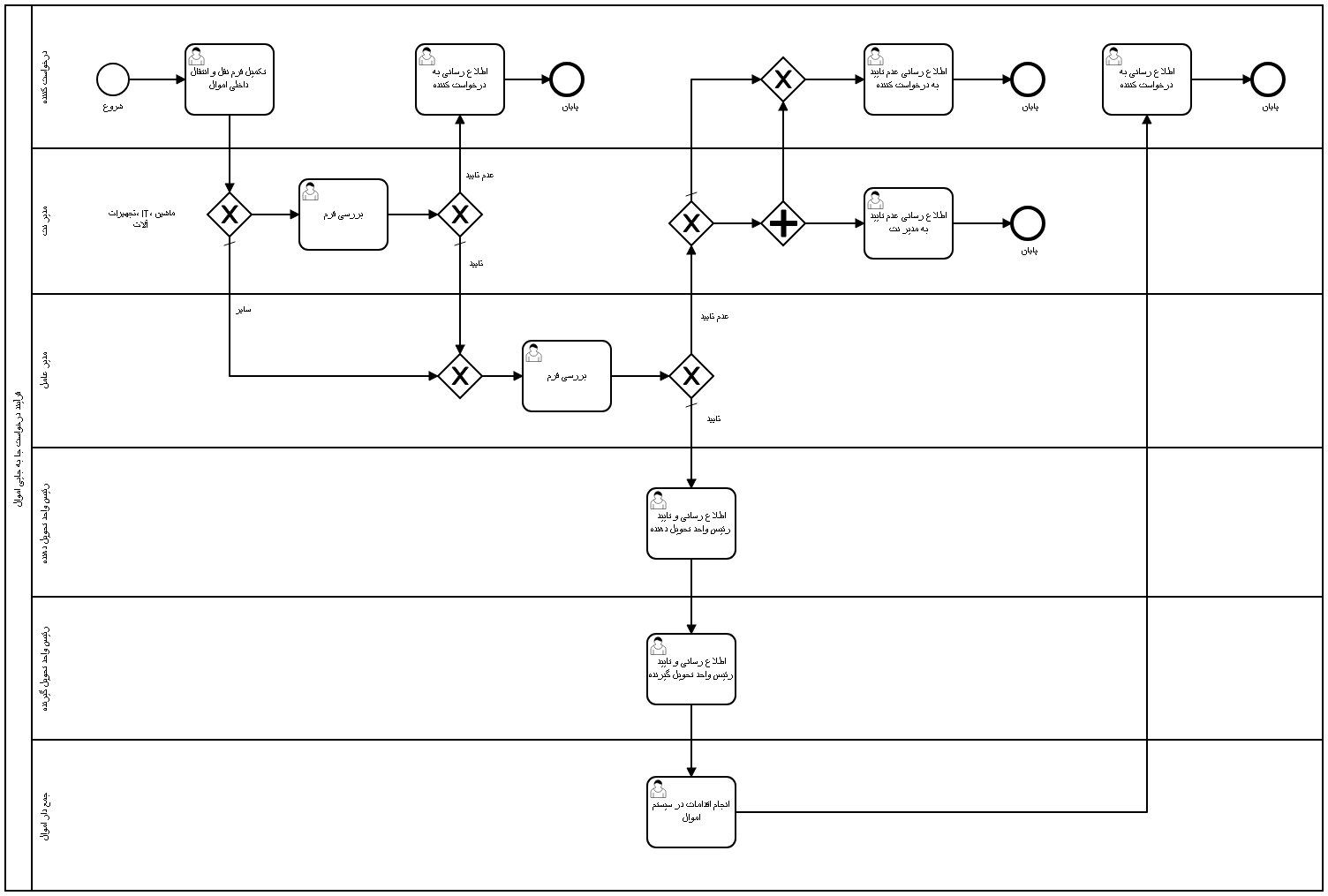
The asset transfer request is a key process in organizational asset management, used to move equipment, machinery, and other assets between departments. Under the traditional method, transfers were affected by incomplete records, unclear approval chains, the risk of lost documents, and difficult request tracking. In a successful project, this process was redesigned and automated with BPMS to increase transparency, security, and accuracy while simplifying asset tracking and control.


The Didgah BPMS application is the mobile version of Didgah Business Process Management software. It allows every stage of registering, reviewing, and approving work to be completed without dependence on a desktop system. The application makes workflows accessible from anywhere and at any time, whether for registering a financial request, approving leave, or reviewing a contract. Tasks in the work queue, process progress, and notifications can be viewed and tracked in real time, enabling users to manage their work more quickly and accurately.
By applying the same security standards as the Didgah web version, the application ensures that organizational data and actions remain protected. Decisions and task execution are no longer confined to the desk, allowing the organization to keep critical processes moving without interruption. This approach reduces delays, eliminates rework, increases workflow transparency, and turns agility and productivity into a practical, tangible experience.