Enterprise Energy Management Software

Managing the organization's scattered bills and branches is always one of the confusing financial tangles that takes up the time and energy of teams. Chargoon Didgah energy management software turns this chaos into order by collecting all water, electricity and gas consumption data in a unified platform. With this software, there is no more late penalties or ambiguity in financial reports. You have complete control over the pulse of the organization's consumption at any moment and you can manage and control costs not with guesswork, but based on accurate data and smart analytics.

Enterprise Energy Management Software
Share
Energy Management Features
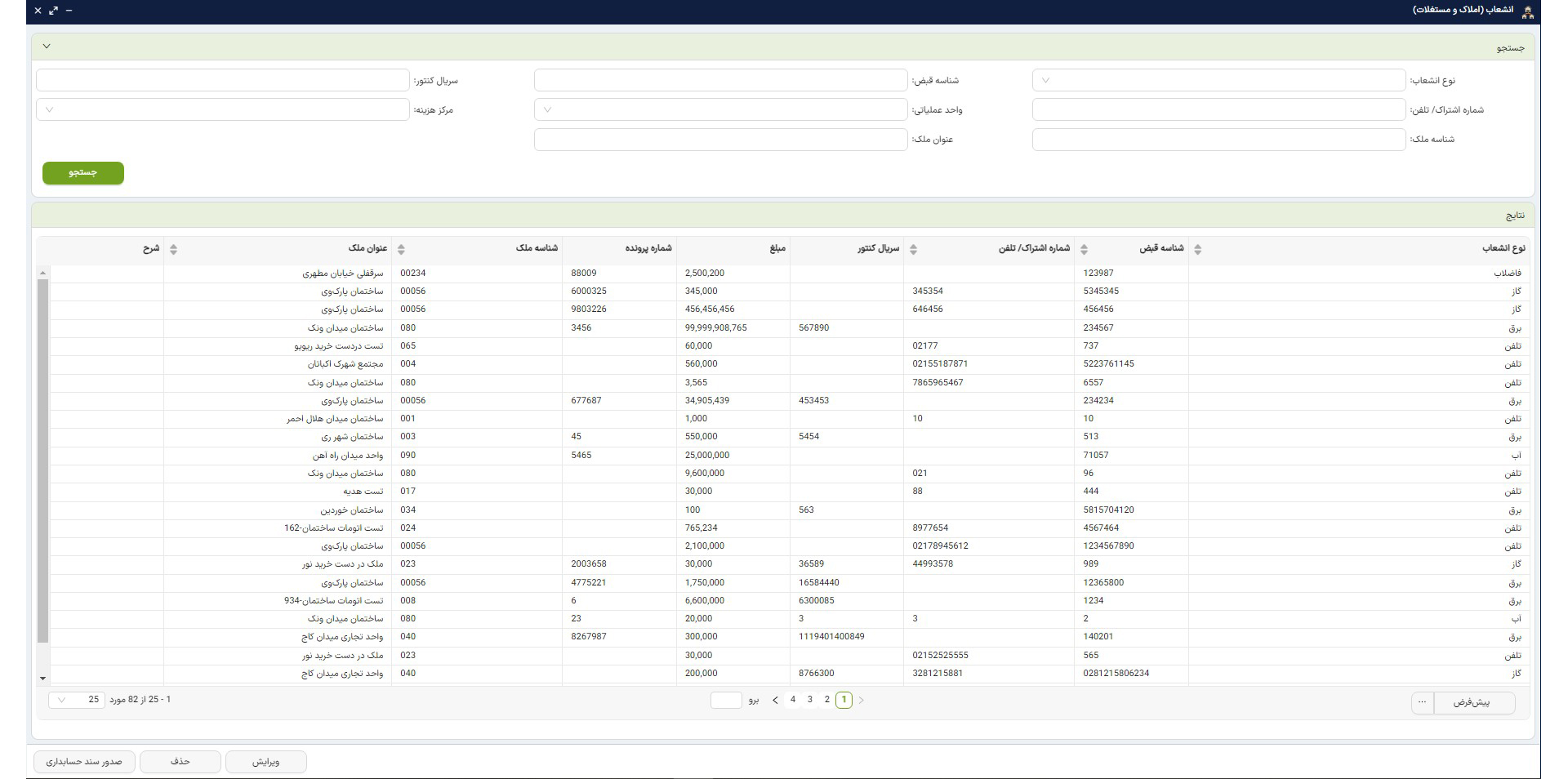
  • Comprehensive Branch Bank

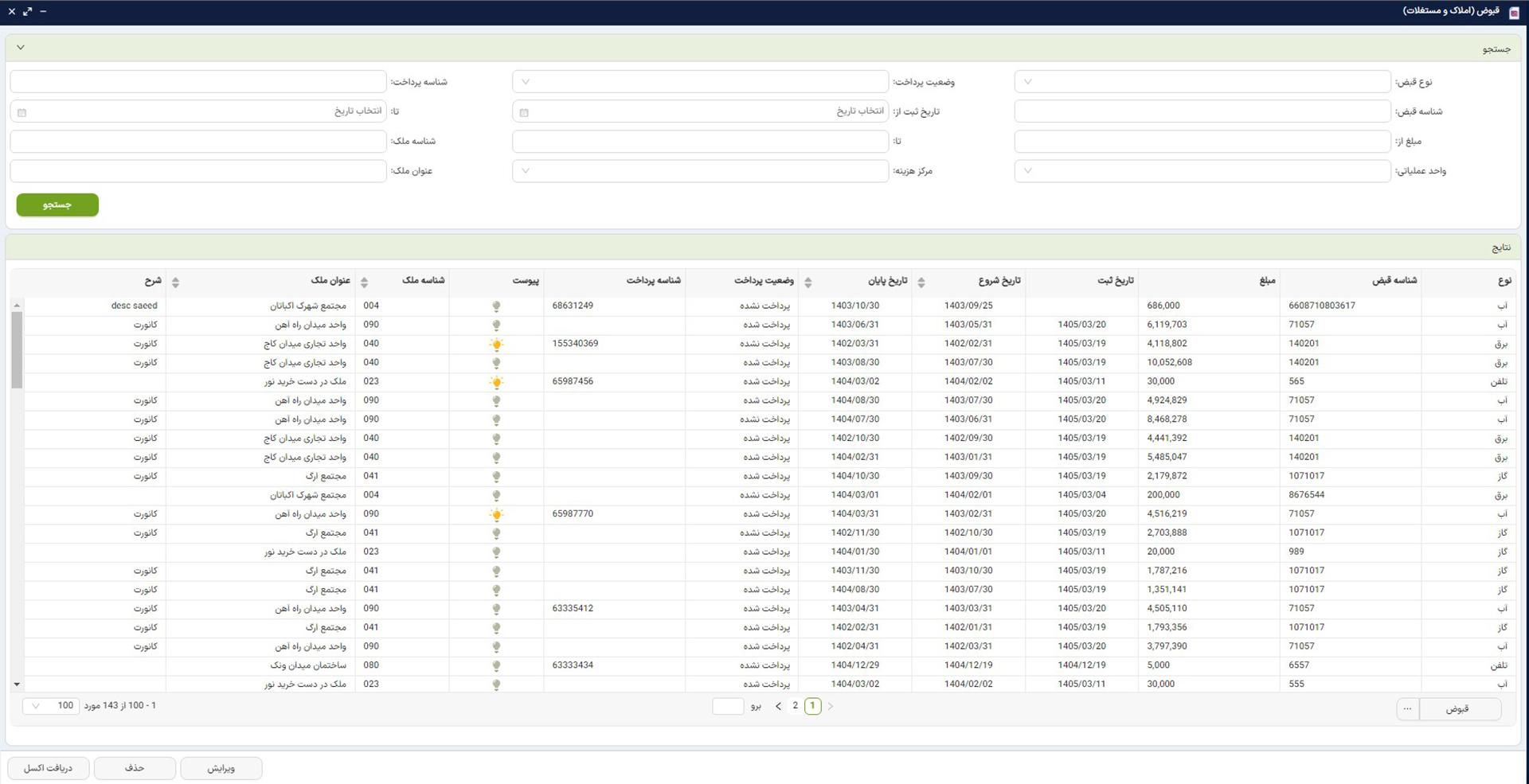
    All information on water, electricity, gas, telephone and sewage branches, including subscription details, tariffs, meter information, capacity and other technical information, is maintained in a centralized database. This structure provides the organization with quick access, ASA search and integrated management of branch information

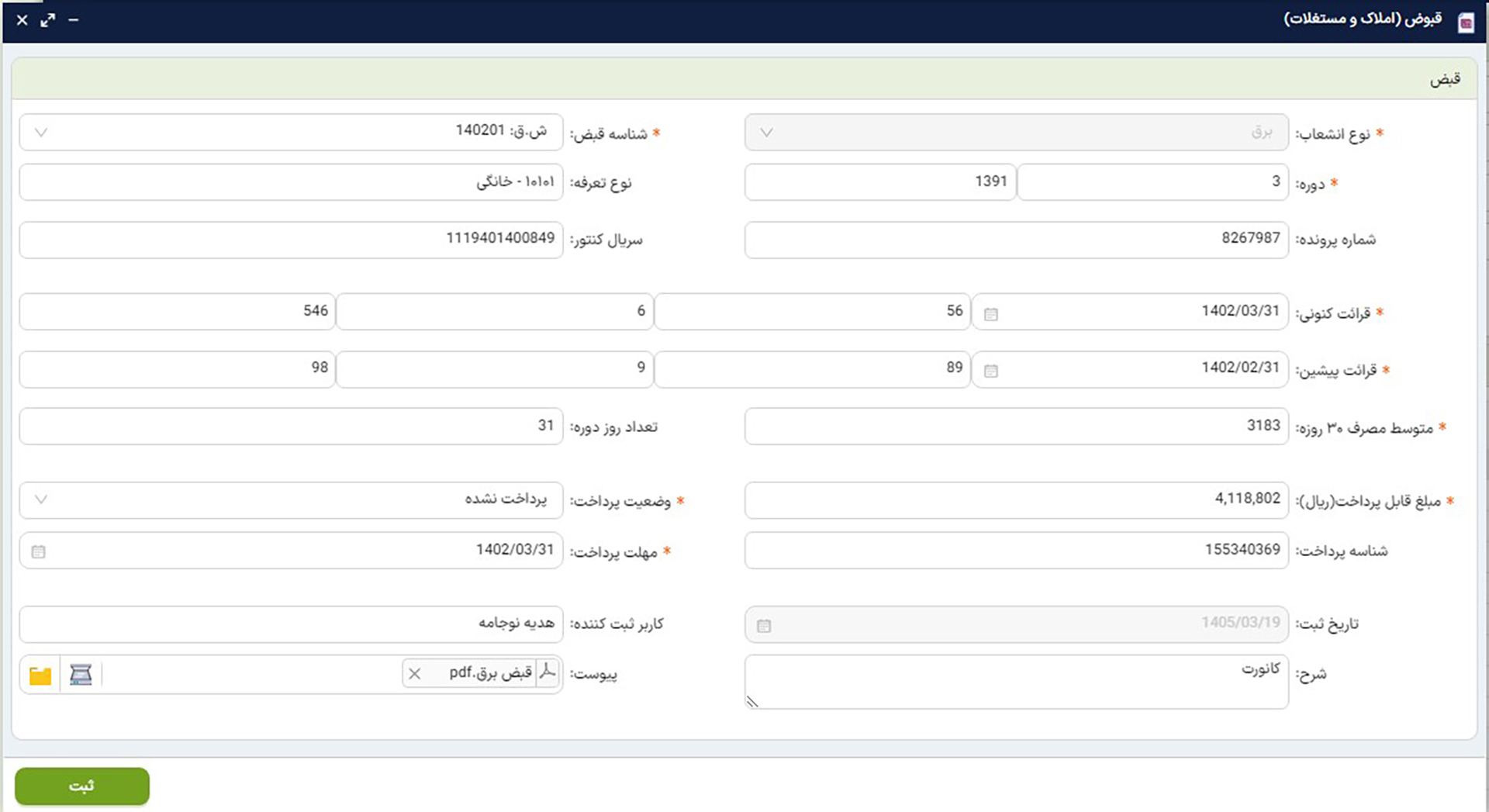
  • Comprehensive energy bill management

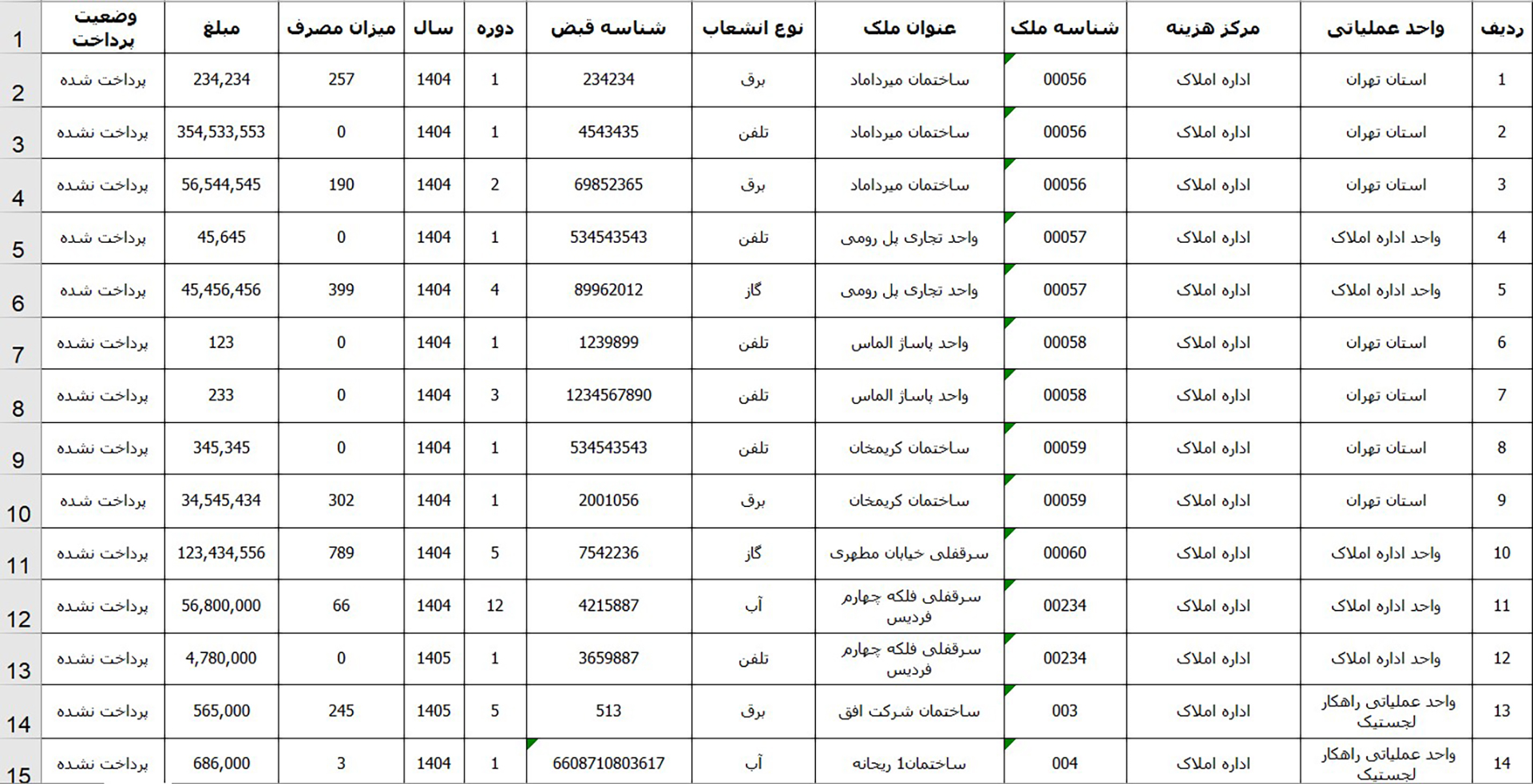
    Bill information including consumption period, meter reading, consumption amount, amount, payment deadline, payment status, and bill records is recorded centrally. This feature allows users to fully control the bill cycle and track payment status.

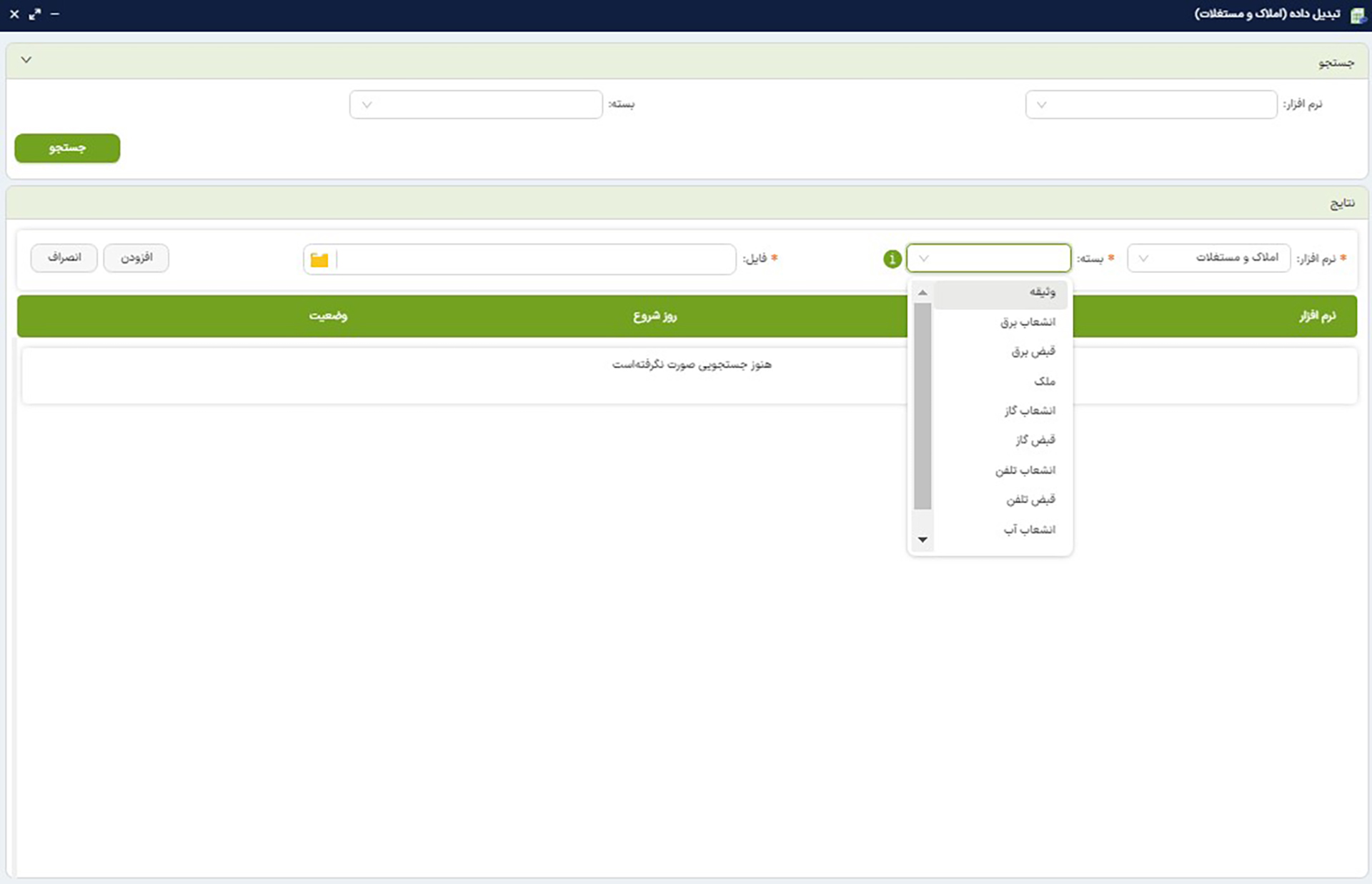
  • Data Entry and Conversion

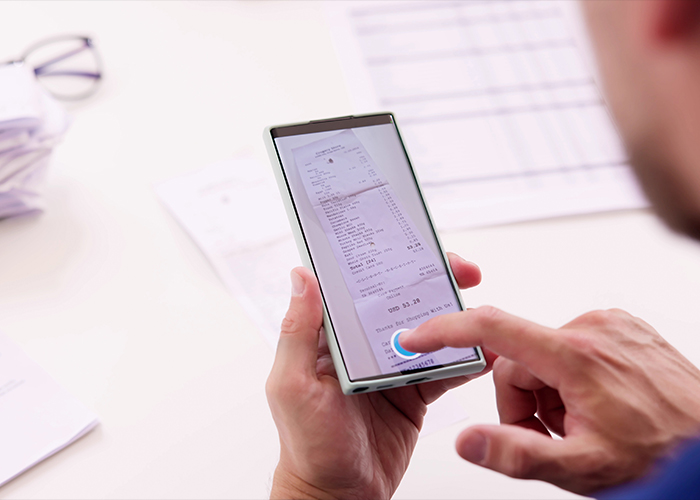
    To speed up system deployment, branch and bill information can be imported into the system in batches from existing files. This feature reduces manual data entry and minimizes the possibility of errors.

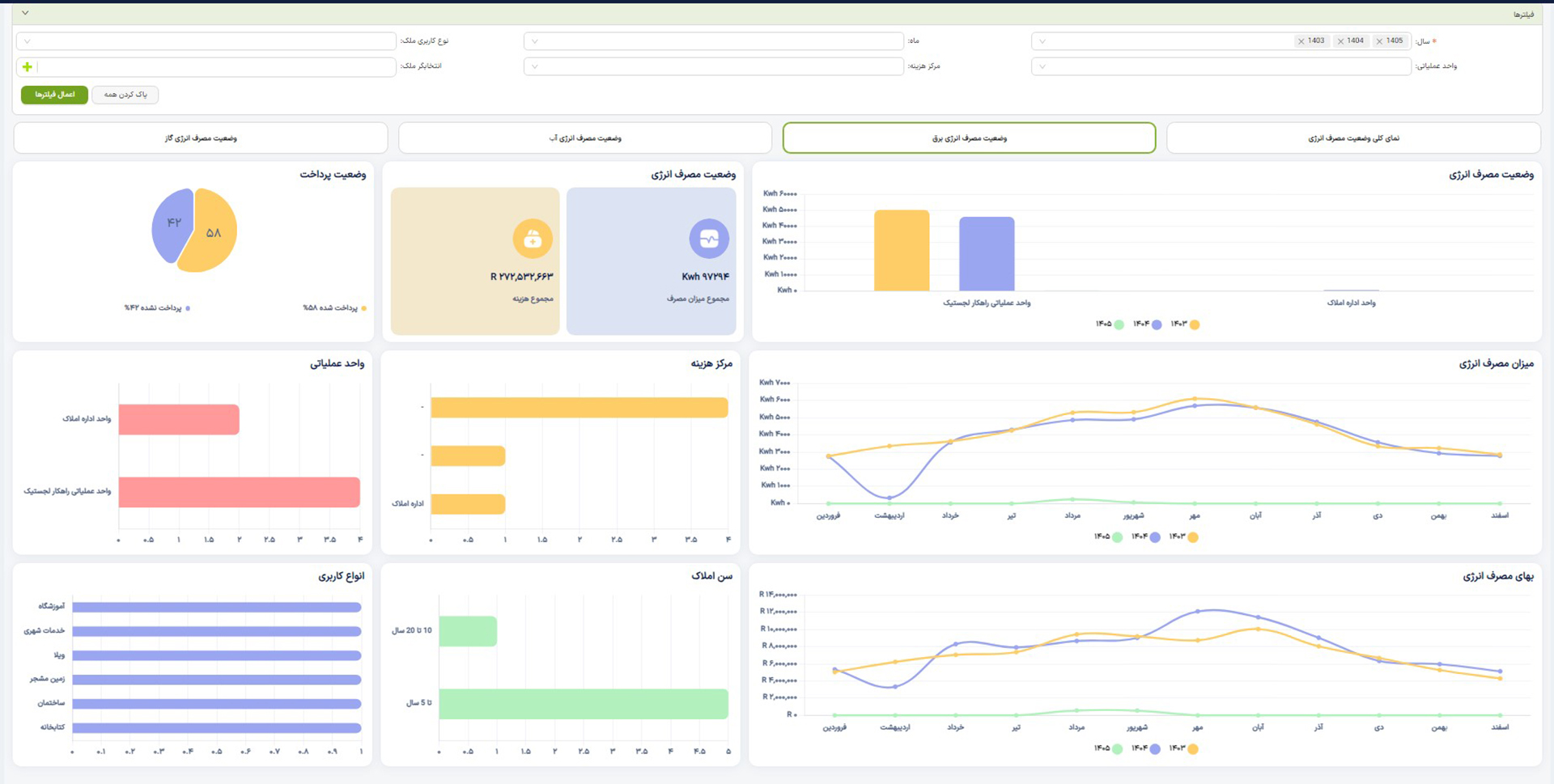
  • Energy Management Dashboard

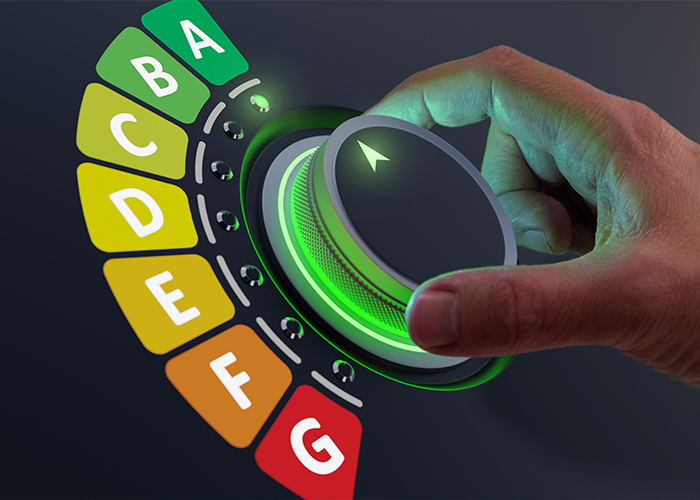
    Management dashboards display key energy consumption and cost indicators, water, electricity and gas consumption status in the form of graphs and analytical indicators. It is also possible to analyze information based on year, month, operating unit, cost center, type of use and other indicators.

  • Comprehensive Reports

    A variety of management and operational reports are provided to users, including branch information, bills, consumption, costs, and payment status. These reports allow for consumption trend analysis, building comparison, and monitoring of the performance of different units.

  • Flexibility and Customization

    The forms, information fields, and software reports can be customized to suit the structure and needs of each organization. This flexibility allows the system to adapt to different organizational processes.

Common Organizational Challenges and How Energy Management Addresses Them
  • Lack of unified view of energy consumption

    In many organizations, information on branches, bills, and energy costs is kept in different files, distributed systems, or different units. This prevents managers from having an accurate picture of the energy consumption and costs at the organization level.

    Didgah energy management software collects all information related to branches, bills, and energy consumption in a centralized database and provides a comprehensive and up-to-date picture of the organization's energy status with management dashboards.

  • Difficulty controlling energy costs

    In the absence of centralized information, analyzing energy costs and identifying high-cost buildings or units is not easily possible, and making decisions to manage costs is difficult.

    By aggregating bill information and providing analytical reports and dashboards, the system enables cost monitoring, comparing consumption centers, and effective energy cost management.

  • Forgetting the bill payment deadline

    The large number of bills and the dispersion of buildings cause the payment deadline to be missed for some bills, and the organization faces late fees or even restrictions on branch services.

    Registering payment deadlines, managing bill status, and automatically reminding users of the payment deadline, informs users of the bill payment time and prevents delays.

  • Lack of consumption trend analysis

    Without access to consumption records and analytical tools, it is not possible to identify changes in consumption patterns and evaluate the performance of buildings in different periods.

    Analytic dashboards display energy consumption and cost trends over different time periods, allowing managers to compare and analyze changes.

  • Difficulty comparing buildings and units

    In organizations with multiple branches or buildings, comparing energy performance between units is usually done manually and time-consuming, and does not yield reliable results.

    Didgah energy management software provides comparative reports and charts, allowing you to evaluate the energy consumption and costs of buildings, operating units and cost centers in an integrated environment.

To make a smart choice, consider all aspects

  • How exactly does this software support my organization?

    Collects and manages all information related to branches, bills and energy costs (water, electricity, gas, etc.) in a single platform.

  • How can I find out which building or organizational unit has the most consumption?

    Through management dashboards and comparative reports, it is possible to identify high-consumption points and analyze consumption patterns in all units.

  • Is it possible to manage and control the payment of bills?

    Yes; by recording payment deadlines and managing bill status, the system prevents forgetting due dates and incurring late fees.

  • Is it possible to enter previous information (such as Excel files) into the system?

    Yes; To speed up deployment, it is possible to group import and convert branch and bill information from existing files into the system.

  • How can I check the trend of energy consumption during the year?

    Using analytical dashboards, it is possible to view and compare consumption trends and costs over different time periods (monthly, annually, etc.).

  • Is it possible to register the information of several buildings and branches for the organization?

    Yes, this software is designed to simultaneously manage information from buildings, branches, and various centers of the organization.

  • What kind of information is stored in branch bank?

    All technical specifications, including subscription numbers, tariffs, meter information, capacity, and other details related to water, electricity, gas, telephone, and sewage branches.

  • Does this software have the ability to connect to other systems?

    Yes; the flexible architecture of the software allows for the development of new capabilities and connection to energy systems.

  • Which organizations is Didgah Energy Management Software suitable for?

    Organizations with multiple buildings and branches, holdings and multi-company complexes, government organizations with scattered branches, universities, banks, hospitals and service complexes, organizations with a large number of invoices and cost centers

Demo request

  • This field is for validation purposes and should be left unchanged.